
Self-care is a crucial concept that is often overlooked in our daily lives. Starting from infancy, we rely on others to meet our basic needs, including feeding, bathing, and providing a secure environment. As we grow older, we begin to gain independence and learn to take care of ourselves physically. However, we sometimes forget that taking care of our mental and spiritual health is equally important.
Neglecting any aspect of self-care can lead to a self-care deficit, which can cause various health issues. The signs of a self-care deficit may manifest in different ways, such as overeating or eating very little, sleeping excessively or experiencing sleeplessness, and either becoming overly anxious or aggressive or keeping emotions bottled up.
It is important to note that having a long-term illness does not mean that individuals cannot take care of themselves. Instead, it means that they must learn to live with their new normal and adopt self-care practices that cater to their specific needs. By understanding their strengths and weaknesses, individuals can develop effective coping skills that help them lead a peaceful life.
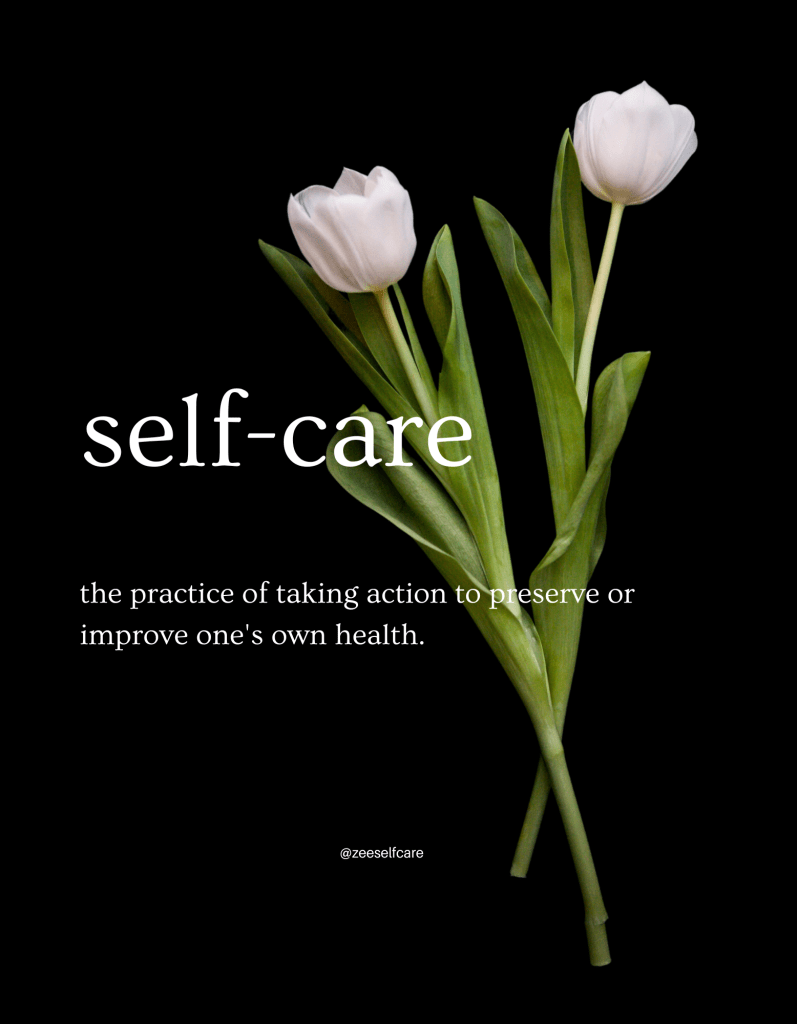
Self-care is not just a necessity; it is also a form of self-love. It is essential to prioritize self-care at all ages to live a happy and healthy life. However, through self-care, we can achieve balance in our physical, mental, and spiritual health, leading to a better quality of life.

 Zeeselfcare