
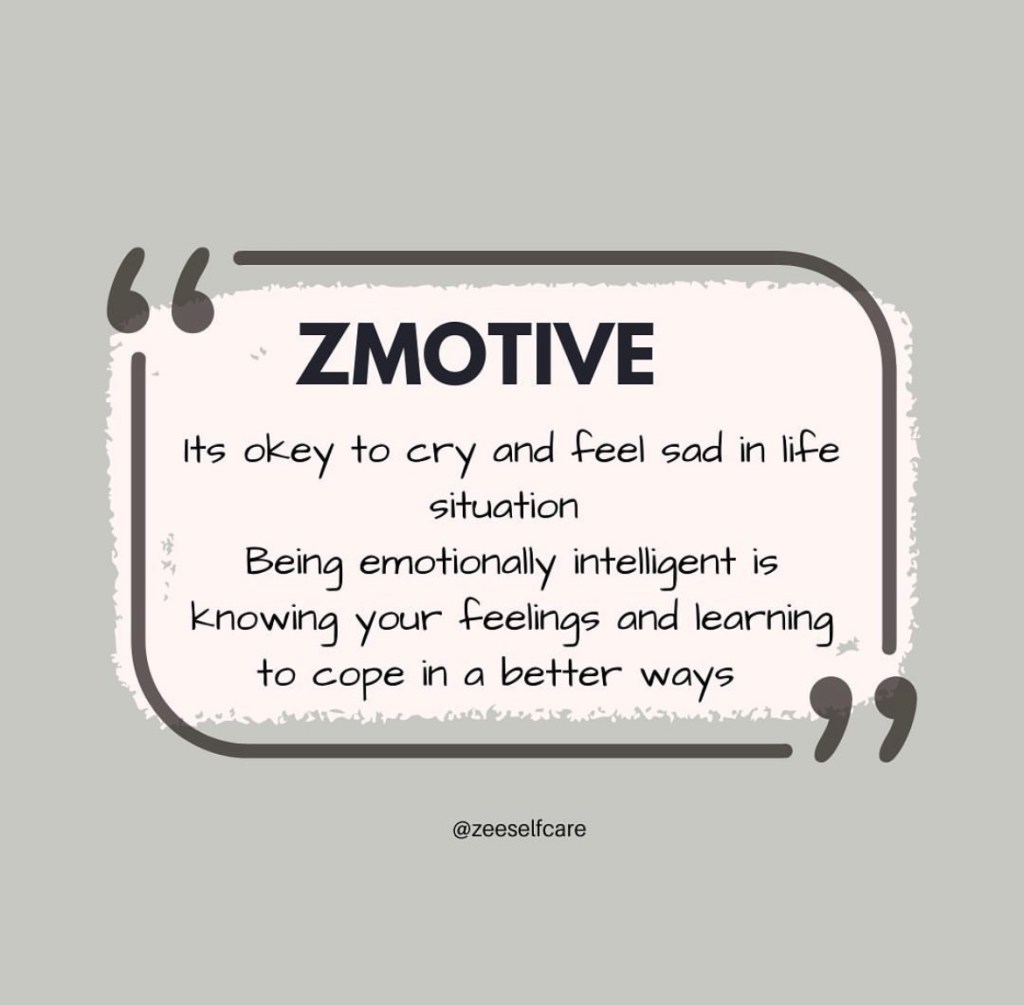
Self-coping refers to the various strategies and techniques individuals use to deal with the challenges and stresses they encounter in life. It involves relying on one’s own resources, skills, and mindset to navigate difficult situations and maintain emotional well-being.
On the other hand,negative self-coping refers to behaviors or strategies that are unhealthy or counterproductive for dealing with challenges and stresses. It is important to identify and address negative self-coping behaviors to promote emotional well-being.
Unfortunately,many have adopted negative self-coping behaviour.The question is why it is easier to adopt negative self-coping behaviour than positive coping skills.There are many factors,such as environment ,belief,and knowledge.The family background,the living condition ;religious and their perspectives;the level of selfawareness are some of the factors which can influence a person coping skills.
Self-coping techniques
- Self-reflection: Taking time to understand and evaluate your emotions, thoughts, and reactions can help you gain insight into your own needs and develop self-awareness. Journaling or talking to someone you trust can be helpful in this process.
- Positive self-talk: Challenging negative or self-defeating thoughts with positive and affirming statements can help in cultivating a more optimistic and resilient mindset. Replace negative self-talk with encouraging and empowering messages.
- Time management: Effectively managing your time and prioritizing tasks can help reduce overwhelm and increase productivity. Break down big tasks into smaller, more manageable steps, and set realistic goals.
- Seeking support: Connecting with others who can provide support, advice, or empathy can be invaluable. This could include friends, family, support groups, or professionals such as therapists or counselors.
- Healthy coping mechanisms: Engaging in activities that promote relaxation and well-being can be beneficial. These could include exercise, meditation, deep breathing exercises, listening to music, or pursuing hobbies and interests.
- Setting boundaries: Knowing your limits and setting boundaries in personal and professional relationships can help protect your mental and emotional well-being. Learn to say no when necessary and prioritize self-care.
Remember, changing negative self-coping behaviors takes time and effort. Be patient with yourself and celebrate small victories along the way. If you find it challenging to overcome negative self-coping on your own, consider seeking professional help from a therapist or counselor. They can provide tailored guidance and support for your specific needs.

 Zeeselfcare